
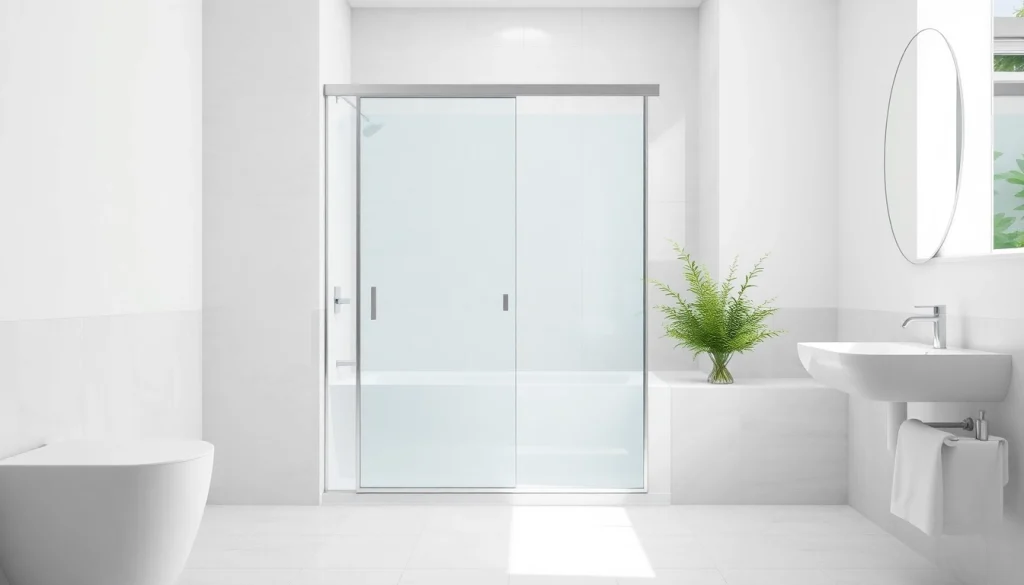
Understanding Shower Screen Sliding Door Options
When it comes to optimizing bathroom space, shower screen sliding door options can transform your area into an inviting and functional retreat. As you consider this enhancing addition to your bathroom, it’s essential to explore the variety of door types available, evaluate the benefits they present, and understand the key materials that can elevate both performance and aesthetics.
Types of Shower Screen Sliding Doors
Shower screen sliding doors are ideal for maximizing space—particularly in compact bathrooms. Several types merit your attention:
- Framed Sliding Doors: These designs feature a robust metal frame that adds durability. They are often more affordable and can be found in various styles to suit your decor.
- Frameless Sliding Doors: An elegant option, frameless doors boast clear glass without the bulk of metal framing. They provide a modern aesthetic and create an illusion of more space.
- Bi-Fold Sliding Doors: Bi-fold models bend at a pivot point, allowing for wider access. These doors fold neatly against the wall when open, making them a practical choice for tight areas.
- Curved Sliding Doors: These innovative designs rely on a curved track, allowing the doors to glide seamlessly. They can enhance the overall look while providing functional advantages.
Benefits of Sliding Doors
The choice of shower screen sliding doors offers numerous advantages, making them a popular solution for modern bathrooms:
- Space Efficiency: Sliding doors conserve floor space, making them ideal for smaller bathrooms where swing doors would become cumbersome.
- Accessibility: These doors slide open rather than swing, allowing for easy entry and exit, particularly for individuals with mobility challenges.
- Enhanced Design: With various styles—ranging from contemporary to traditional—sliding doors can enhance the aesthetic appeal of any bathroom.
Key Material Considerations
Choosing the right material for your shower screen sliding door is crucial for both function and style. Here are some common options:
- Glass: Most sliding doors utilize tempered glass for safety and durability. Options include clear, frosted, and tinted glass.
- Aluminum: For framed doors, aluminum is lightweight, resistant to rust and corrosion, and available in various finishes.
- Vinyl: Often used in budget-friendly options, vinyl is durable and resistant to moisture but may not offer the same upscale appeal as glass and metal.
Choosing the Right Shower Screen Sliding Door
Selecting the appropriate shower screen sliding door requires careful measurement and a keen sense of style. Here are key factors to consider:
Measuring Your Space
Accurate measurements lay the foundation for a well-fitted shower door. Follow these steps to ensure precision:
- Measure the Opening: Use a tape measure to ascertain the width and height of the shower area. Remember to measure both the top and bottom, as walls may not always be perfectly even.
- Consider Hardware Space: Factor in the space needed for any track system or handles. Allow for a clearance above the door to facilitate smooth sliding.
- Account for Wall Type: Determine whether your walls are tiled, drywalled, or another finish, as this will impact installation methods.
Picking the Ideal Design
Your shower screen sliding door should harmonize with your bathroom décor scheme. Here are a few design considerations:
- Style Matching: Choose a design that complements existing fixtures, from the faucet to the showerhead.
- Color Schemes: If opting for framed doors, consider a finish like chrome, brushed nickel, or even matte black to align with your desired aesthetic.
- Translucency Choices: Clear glass provides an open feel, while frosted glass offers privacy while still maintaining a spacious atmosphere.
Compatibility with Bathroom Layouts
The layout of your bathroom will dictate which type of shower screen sliding door is most compatible. Consider these layouts:
- Corner Showers: In a corner setup, bi-fold or curved sliding doors can optimize access while maintaining space efficiency.
- Small Bathrooms: A frameless design can create a sense of openness, making it ideal for compact spaces.
- Luxury Bathing Areas: For larger baths, expansive designs with multiple sliding segments may provide a grand appearance.
Installation Process of Shower Screen Sliding Door
Installing a shower screen sliding door may seem daunting, but following a structured approach can help streamline the process. Here’s a comprehensive guide:
Preparing for Installation
Preparation is key to a successful installation:
- Gather Information: Consult the product manual to understand installation requirements and features.
- Assess Tools: Make sure you have all necessary tools on hand before starting.
- Clear the Area: Please remove any existing shower doors and clean the workspace thoroughly.
Tools Required for Installation
Here’s a list of tools you may need:
- Drill
- Screwdriver
- Level
- Tape measure
- Stud finder
- Caulk gun
Step-by-Step Installation Guide
Follow these steps for a successful installation:
- Assemble the Track: Secure the track to the top of the shower opening using the drill and screws. Ensure it is level.
- Install the Bottom Track: Position and secure the bottom track in line with the top track, adjusting as necessary.
- Hang the Door: Attach the sliding doors onto the track, adjusting their positioning to ensure smooth movement.
- Seal Edges: Apply caulk around the corners and edges of the frames to prevent water seepage.
- Test the Door: Confirm that the door slides smoothly and check for any necessary adjustments.
Maintenance Tips for Shower Screen Sliding Door
Proper maintenance of your shower screen sliding door not only maximizes its lifespan but also enhances hygiene. Here are some key tips:
Cleaning and Care Instructions
Regular cleaning keeps your doors looking new:
- Daily Wipe-down: Use a squeegee after each shower to prevent water spots and soap scum buildup.
- Weekly Cleaning: Clean with a mixture of vinegar and water, or use non-abrasive cleaners designed for glass.
- Avoid Harsh Chemicals: Stay clear of ammonia or bleach-based products that may damage the glass or metal.
Identifying Common Issues
Keep an eye out for potential problems, such as:
- Sticking Doors: If the door sticks, check the track for debris or adjustment issues.
- Leaking Seals: Inspect caulking regularly and replace as needed to prevent water damage.
- Scratches: Use coasters or fabric pads on pivots to minimize scratching on the glass.
When to Seek Professional Help
Sometimes, it’s best to bring in an expert:
- Major Repairs: If your door is significantly damaged or if the installation seems improper, consult a professional.
- Installation Issues: If you’re uncomfortable with DIY installation, hiring a professional can ensure a proper fit.
- Water Damage: If you notice extensive water damage in your bathroom, it’s best to get expert advice.
Frequently Asked Questions
What are the advantages of a shower screen sliding door?
A shower screen sliding door optimizes space efficiency, enhances accessibility, and contributes to the aesthetic appeal of the bathroom.
Can I install a shower screen sliding door myself?
Yes, with the right tools and basic DIY skills, you can install a shower screen sliding door by following instructions carefully.
How do I clean a shower screen sliding door effectively?
Regularly use a squeegee and weekly clean with vinegar to maintain clarity and prevent soap scum buildup.
What materials are best for sliding doors?
Tempered glass, aluminum frames, and high-quality vinyl are common materials that ensure durability and an appealing look.
Do sliding doors require special maintenance?
While sliding doors are generally low-maintenance, regular cleaning and occasional checks for leaks and alignment are advisable.