
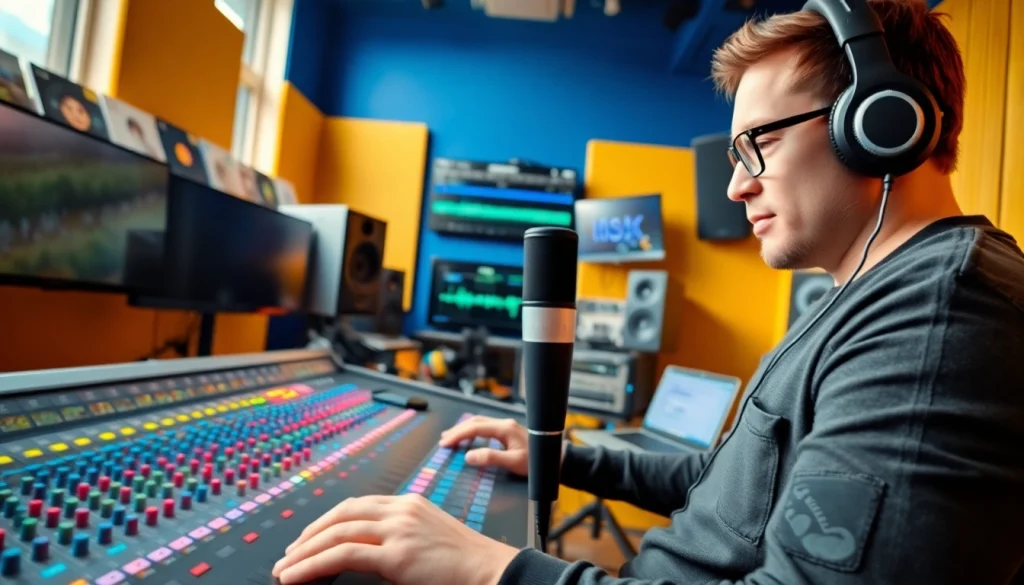
Understanding Online Audio Mastering
What is Online Audio Mastering?
Online audio mastering is the final step in the music production process, transforming a mixed audio track into a polished, ready-for-release piece. This process ensures that the track meets industry standards in sound quality and balances various elements to enhance the listening experience. Unlike traditional mastering done in a studio with hardware equipment, online audio mastering services allow artists and producers to utilize cloud-based platforms to upload their work, making it accessible anytime, anywhere. The power of online audio mastering lies in its accessibility and efficiency, catering to independent musicians and large studios alike.
Benefits of Online Audio Mastering
There are numerous advantages associated with online audio mastering:
- Cost-Effectiveness: Many online mastering services are more affordable than traditional studios, offering competitive pricing models without compromising quality.
- Convenience: Musicians can master their tracks from the comfort of their home or studio, eliminating the need to travel to physical locations.
- Speed: Online services typically offer quicker turnaround times, allowing artists to release music faster.
- Variety of Options: Many platforms provide various mastering options, such as different preset styles, making it easier for artists to find a sound match for their genre.
- A/B Testing: Some services allow users to compare different versions of mixes, facilitating better decision-making.
Key Components of the Mastering Process
Understanding the components of mastering helps artists appreciate its intricacies. The primary elements include:
- Equalization (EQ): Adjusting the levels of different frequencies to ensure clarity and balance.
- Compression: Controlling dynamic range by reducing the volume of loud sounds and boosting softer ones.
- Limiting: Preventing distortion by capping the maximum volume level.
- Stereo Enhancement: Widening the stereo field for a more immersive listening experience.
- Fade In/Out: Creating smooth transitions at the beginning and end of the track.
Choosing the Right Online Audio Mastering Service
Factors to Consider Before Selection
Selecting an online audio mastering service is critical to the final sound quality of your music. Consider these factors:
- Quality of Samples: Review prior work to assess the service’s quality.
- User Interface: A well-designed platform can enhance your experience.
- Turnaround Time: Check how quickly the service can deliver mastered tracks.
- Support: Ensure customer service is accessible for troubleshooting and inquiries.
- Pricing Models: Understand what services are included in different price tiers.
Top Features of Quality Services
Quality online audio mastering services usually exhibit several key features, including:
- High-Quality Processing: Utilization of advanced algorithms and high-resolution audio processing.
- Customizable Options: Ability to tweak settings according to individual preferences.
- User Reviews: Testimonials and ratings from other users provide insights about reliability and quality.
- Trial Options: Free trials allow users to test the platform before committing.
- Educational Resources: Availability of tutorials and guidelines to help users navigate the mastering process.
Common Service Pitfalls to Avoid
While there are many reputable services, some common pitfalls exist:
- Over-Compression: Too much compression can flatten the sound, leading to loss of dynamics and liveliness.
- Neglect of User Reviews: Ignoring feedback may lead to subpar results.
- Unclear Pricing Structures: Hidden fees can inflate costs unexpectedly, affecting your budget.
- Lack of Support: Difficulty accessing customer service can hinder the mastering process.
- Ignoring Track Context: Failing to consider the track’s place within an album or portfolio may lead to mismatched sound aesthetics.
Techniques for Effective Online Audio Mastering
Essential Software Tools for Mastering
Utilizing the right software is crucial for successful online audio mastering. Popular software tools include:
- iZotope Ozone: A comprehensive suite offering a variety of mastering tools and AI assistance.
- Waves Plugins: Renowned for their high-quality effects and processors.
- FabFilter Pro-L: A versatile limiter known for its transparent limiting capabilities.
- Landr: An artificial intelligence-assisted mastering service providing instant results.
- Logic Pro X: Includes various built-in mastering templates and effects for Apple users.
Popular Techniques Used in Mastering
Mastering professionals often implement the following techniques:
- Mid-Side Processing: Improvements to stereo imaging by processing mid and side signals separately.
- Multiband Compression: Targeting specific frequency ranges for dynamic control.
- Stereo Widening: Enhancing stereo image without compromising mono compatibility.
- Fades and Automation: Applying fades creatively to improve flow.
- Reference Tracks: Using commercially released tracks to benchmark quality.
Understanding EQ and Compression in Mastering
Equalization and compression are fundamental components of mastering:
- EQ: Essential for balancing frequencies and ensuring that each element of the music is heard clearly. Careful adjustment can also add warmth or clarity to the mix.
- Compression: Crucial for controlling the dynamics, it allows the track to sound fuller and more cohesive. Proper use can prevent prominent peaks and create a more polished impression.
Evaluating Your Mastered Tracks
Key Metrics for Sound Quality
Measuring sound quality post-mastering involves various key metrics:
- Loudness Level: Checking against industry standards to ensure competitiveness.
- Dynamism: Assessing dynamic range for musicality.
- Frequency Response: Analyzing how well lows, mids, and highs are represented.
- Distortion: Ensuring there are no unwanted artifacts affecting sound clarity.
- Mono Compatibility: Testing how the track sounds in monophonic playback systems.
Sourcing Feedback from Peers
Gathering feedback from trusted peers can improve mastering outcomes. Consider these approaches:
- Listening Sessions: Hosting group listens where peers provide constructive feedback.
- Online Communities: Engaging in music production forums to solicit opinions and share ideas.
- Direct Messaging: Reaching out to industry contacts for their professional insights.
- Surveys: Creating structured feedback tools for detailed input on specific elements.
- Collaboration: Working with other artists on critiques can lead to unexpected insights and improvements.
Sampling the Final Product Across Devices
Finalizing the track requires thorough testing across various playback devices:
- Headphones: Ensuring clarity and balance.
- Car Speakers: Evaluating sound in a common listening environment.
- Smartphones: Testing sound quality on mobile devices where many listen most.
- Home Stereo Systems: Checking for warmth and fullness in larger setups.
- Streaming Platforms: Reviewing how it sounds on services where it will be most frequently played.
Future Trends in Online Audio Mastering
Emerging Technologies in Music Production
The music production landscape continually evolves, and new technologies are shaping online audio mastering:
- Cloud-Based Solutions: Platforms offering collaborative mastering options, enabling global participation.
- AI Integration: Leveraging artificial intelligence for automated mastering processes.
- Machine Learning: Providing deeper insights into user preferences and enhancing personalized mastering settings.
- Advanced DSP Algorithms: Delivering better audio quality and dynamic response.
- Virtual Reality (VR): Exploring immersive audio experiences beyond traditional stereo.
Trends Shaping Online Services
As artists demand more flexibility, the following trends are defining online audio mastering services:
- Subscription Models: Offering access to a suite of mastering tools and continuous updates.
- Community Features: Increasing engagement through forums and peer review options.
- Customizable Memberships: Catering to different user needs and professional levels.
- User-Friendly Interfaces: Enhancements to navigation and usability will promote wider market adoption.
- Enhanced Educational Offerings: Integrating tutorials, courses, and user guides will empower users.
The Role of AI in Mastering
AI is set to revolutionize online audio mastering:
- Automated Mastering Processes: Allowing quick turnarounds while maintaining quality.
- Personalization: Offering customized presets based on the artist’s style and previous tracks.
- Intelligent Analysis: Quickly identifying key elements that need adjustments.
- Predictive Algorithms: Anticipating user preferences and improving service delivery.
- Collaborative Features: Enabling aggregated feedback and collaborative project development using AI-driven tools.
Frequently Asked Questions
What is the difference between mixing and mastering?
Mixing involves arranging and blending tracks, while mastering is the final polish before distribution, ensuring the sound quality and balance across all playback systems.
How long does online audio mastering typically take?
Turnaround times vary but most online services offer mastering within 24-48 hours, depending on their workflow and service level chosen.
Can I master my own tracks online?
Yes, many online platforms provide user-friendly tools for self-mastering, although professional services can achieve superior results.
Are there free online mastering services?
Some platforms offer limited free trials, but quality mastering typically requires a paid service for the best results.
What formats can I use for online audio mastering?
Common formats include WAV, AIFF, and FLAC. Check specific service requirements for compatibility.