
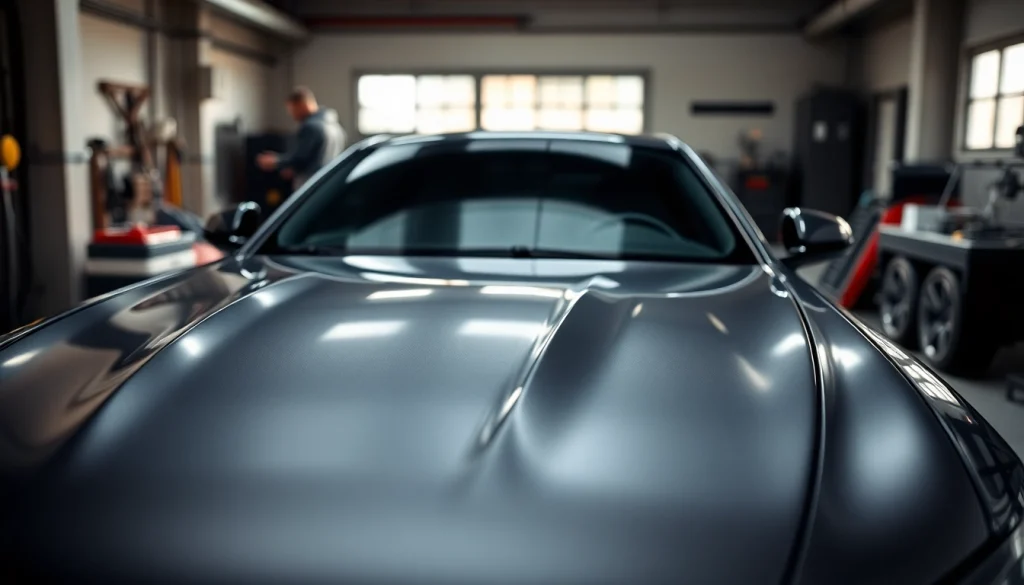
Understanding Paint Protection Film Near Me
What is Paint Protection Film?
Paint protection film (PPF) is a translucent, durable, and flexible thermoplastic urethane film that is applied to the painted surfaces of vehicles. The primary purpose of this film is to protect against the wear and tear that vehicles face daily, including scratches, chips, dirt, and even harsh weather conditions. Typically, PPF is installed on high-impact areas of the vehicle, including the hood, bumper, side mirrors, and door edges, ensuring that these vulnerable sections remain pristine. The application of paint protection film is a proactive step in preserving your vehicle’s appearance and maintaining its resale value.
Benefits of Using Paint Protection Film
Choosing paint protection film comes with numerous advantages:
- Scratch Resistance: The primary benefit of PPF is its ability to shield your vehicle from scratches and minor abrasions, which can be especially common in urban settings or on unpaved roads.
- UV Protection: Paint protection film blocks harmful UV rays, preventing your vehicle’s paint from fading over time.
- Self-Healing Properties: Many modern PPF products have self-healing capabilities, meaning minor scratches can disappear through exposure to heat.
- Stain Resistance: The film protects against stains from road debris, bird droppings, tree sap, and chemicals, making it easier to keep your vehicle clean.
- Customization Options: Paint protection films can be custom-cut for specific vehicles, providing a tailored protection solution.
Why Choose Local Services for Paint Protection Film?
When searching for paint protection film near me, opting for local services has distinct advantages. First, local professionals can provide a level of service tailored to your specific vehicle and needs. Their familiarity with regional weather conditions, road types, and local regulations means they can recommend the optimal solutions. Additionally, supporting local businesses fosters community growth and often ensures faster customer service and direct communication.
Choosing the Right Paint Protection Film Near Me
Types of Paint Protection Film Available
Several types of paint protection films are available, each suited for different applications:
- Standard Films: These films offer basic protection against scratches and contaminants. They are cost-effective and suitable for everyday use.
- Self-Healing Films: As mentioned earlier, these films can recover from minor damages through heat exposure, making them ideal for high-maintenance vehicles.
- Matte Films: These are specifically designed to preserve matte finishes, providing the same protection while maintaining the unique aesthetic without gloss.
- Colored Films: For those looking to customize their vehicle’s appearance, colored PPFs are available that can match or enhance the car’s hue.
- Pearl and Chrome Films: These specialty films provide a unique finish, ideal for high-end cars aiming for a distinct look.
Factors to Consider When Selecting a Film
When selecting paint protection film, consider the following factors to ensure you choose the best option for your vehicle:
- Durability: Look for films that boast a long lifespan, ideally over five years, and have a warranty. Durability varies by film type.
- Thickness: Thicker films generally offer greater protection but may be more expensive. Balance your budget with the level of protection you need.
- Clarity: A high-quality film maintains the original color and shine of your paint. Ensure the film you select is optically clear.
- Ease of Installation: Some films come with easier installation processes which may be beneficial for DIY projects, although professional installation is recommended for best results.
- Manufacturer Reputation: Opt for films manufactured by established brands known for their excellence in quality and customer support.
Local vs. Online Purchase: Pros and Cons
Pursuing paint protection film can be done either through local providers or online stores. Here are the pros and cons of each to consider:
- Local Purchase
-
- Pros: Ability to see the product before purchasing, professional guidance, installation options, and community support.
- Cons: Potentially higher costs and limited variety compared to online options.
- Online Purchase
-
- Pros: Often more competitive prices, greater variety, and easy-to-access customer reviews.
- Cons: Inability to examine the product beforehand, potential difficulties with installation, and possible delays in shipping.
Application Process of Paint Protection Film
Preparing Your Vehicle for Installation
Before applying paint protection film, proper preparation is crucial to ensure a flawless installation. Start by washing your vehicle thoroughly, removing any dirt, dust, and grime. Use a high-quality car soap and an appropriate washing technique to minimize scratches during the cleaning process. After washing, dry the vehicle with a soft microfiber towel and inspect the surface for any imperfections that need to be corrected. If necessary, perform paint correction on any swirls or scratches before installation to ensure the best adhesion.
Step-by-Step Application Guide
The application of paint protection film can be done either by a professional or as a DIY task. Here’s a step-by-step guide for both scenarios:
- Gather Materials: Ensure you have all necessary tools, including the PPF itself, a squeegee, utility knife, heat gun, and application solution.
- Measure and Cut: Measure the area to be covered and cut the film accordingly, leaving some excess around the edges for adjustment.
- Wet the Surface: Spray a mixture of water and application solution on the vehicle surface; this allows the film to slide into position.
- Position the Film: Carefully position the film over the desired area, then use the squeegee to push out air bubbles and excess solution.
- Trim Edges: Use the utility knife to trim the excess film, ensuring your cuts are sharp and clean for a professional finish.
- Apply Heat: Use the heat gun to activate the adhesive and help the film mold to the contours of the vehicle. Be careful not to overheat.
- Final Inspection: After applying the film, inspect for any bubbles or imperfections. These can often be smoothed out using the squeegee.
Common Mistakes to Avoid During Application
When applying paint protection film, novices may encounter several common mistakes. Avoid these pitfalls for a better outcome:
- Insufficient Cleaning: Failing to clean the surface adequately can lead to trapped dirt and bubbles under the film.
- Poor Measuring: Incorrect measurements can result in using too little or too much film, leading to an unprofessional appearance.
- Ignoring Temperature Regulations: Using film in extreme temperatures can cause adhesion issues. Choose appropriate weather for application.
- Neglecting to Use Application Solution: Skipping the solution makes positioning difficult and could lead to permanent issues.
- Rushing the Process: Taking your time is essential for a successful installation; hurry can result in mistakes.
Maintenance Tips for Paint Protection Film
Cleaning and Caring for Your Film
Once installed, maintaining your paint protection film is essential for longevity and effectiveness. Regular cleaning helps keep the film in top condition. Use pH-balanced soaps that are safe for automotive surfaces, and avoid abrasive materials that could scratch the film. Routine washing with a soft microfiber cloth or sponge can ensure a spotless finish while preserving the film’s integrity. Additionally, wax treatments can be applied but check the manufacturer’s guidelines for appropriate products that won’t damage the film.
Signs Your Film Needs Replacement
Despite its durability, paint protection film may eventually require replacement. Keep an eye out for these signs:
- Yellowing: If the film exhibits a noticeable yellow tint, it may have degraded and will likely need to be replaced.
- Cracking: Physical damage, like cracks or tears, indicates that the film is no longer providing the necessary protection.
- Peeling Edges: If the edges of the film begin to lift, it creates an opening for dirt and contaminants, diminishing the film’s effectiveness.
- Bubble Formation: Excessive bubbling that cannot be smoothed out may necessitate a full replacement.
DIY vs. Professional Maintenance: What to Know
While basic cleaning and maintenance can be tackled by car owners, certain maintenance tasks require professional expertise. DIY maintenance, like routine washing and inspection, should be simple and manageable. However, tasks like removing and replacing film should ideally be done by professionals to avoid damage. Consulting a specialist ensures you’re getting the best care and preserving the integrity of your film.
Frequently Asked Questions About Paint Protection Film Near Me
What is the lifespan of paint protection film?
The lifespan of paint protection film usually ranges from 5 to 10 years, depending on the quality of the film and maintenance provided.
Is paint protection film worth the investment?
Yes, paint protection film helps maintain your vehicle’s paint, preventing costly repainting and preserving resale value, making it a worthwhile investment.
Can paint protection film be removed easily?
Yes, paint protection film can be removed without damaging the underlying paint; however, careful techniques are required to ensure no residue is left behind.
How does paint protection film affect vehicle resale value?
Paint protection film can enhance resale value by preserving the car’s condition, ultimately presenting a well-maintained vehicle to potential buyers.
What should I look for in a paint protection film provider?
Choose a provider with experience, positive reviews, quality materials, warranty offerings, and exceptional customer service to ensure a successful installation.