
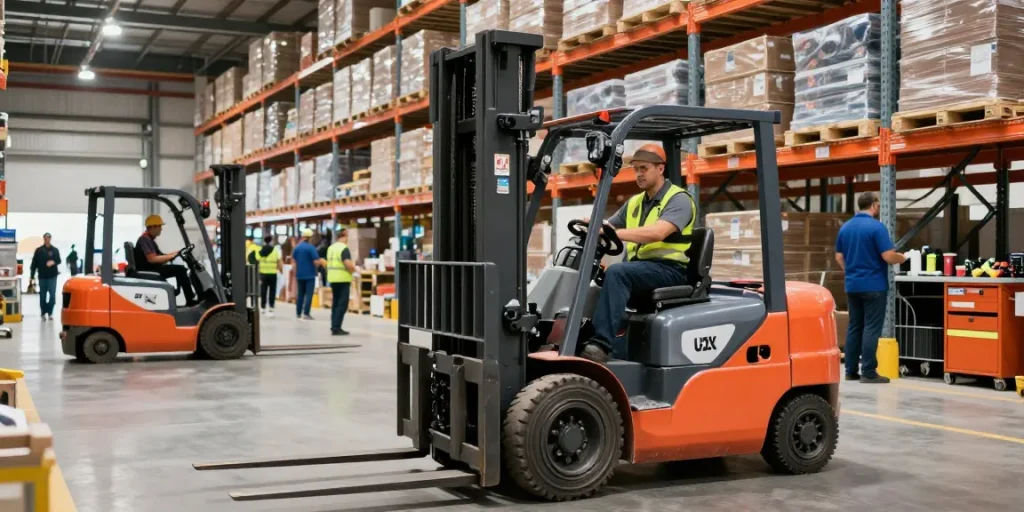
The Evolution of Electric Forklifts in 2026
As we move deeper into 2026, the landscape of material handling equipment is experiencing a significant transformation, particularly with electric forklifts. Driven by innovation, sustainability, and efficiency, electric forklifts are quickly becoming the preferred choice for modern warehouses and industries. This shift is not merely a trend; it reflects a broader understanding of environmental responsibility and operational efficiency. forklift for sale options are abundant, highlighting the diverse choices available for businesses looking to upgrade their material handling capabilities.
Trends in Electric Forklift Technology
In 2026, several key trends are shaping the evolution of electric forklifts. One noteworthy development is the advancement in battery technology. Lithium-ion batteries, which offer faster charging times, longer lifespans, and reduced maintenance, are now the standard in electric forklifts. Additionally, smart technologies such as telematics systems are being integrated into machines, allowing for real-time monitoring of equipment performance and maintenance needs. This data-driven approach helps companies optimize their operations and reduce downtime.
Benefits of Zero-Emission Equipment
As businesses seek to mitigate their environmental impact, the adoption of zero-emission equipment has gained traction. Electric forklifts are at the forefront of this movement, providing significant benefits in emissions reduction. By transitioning to electric forklifts, companies not only comply with increasingly stringent environmental regulations but also enhance their brand image and appeal to eco-conscious consumers. Furthermore, operating electric equipment often results in lower operating costs compared to traditional diesel counterparts, making them an economically sound choice in the long run.
Comparative Analysis of Conventional vs. Electric Forklifts
When comparing conventional forklifts to electric models, several factors come into play. Conventional forklifts typically rely on internal combustion engines (ICE), which can emit harmful exhaust and require more extensive maintenance. In contrast, electric forklifts are much quieter, produce no emissions during operation, and generally have lower total costs of ownership. This makes electric options particularly appealing for indoor warehouse operations where air quality is a concern. While the initial purchase price may be higher for electric models, the long-term savings and benefits often outweigh these costs.
Understanding Your Lifting Capacity Needs
Choosing the right electric forklift for your business starts with understanding your lifting capacity needs. Different tasks require different lifting capacities, and selecting the appropriate model is critical for ensuring efficiency and safety in your operations. Electric forklifts come with various load capacities, allowing you to find the right fit for your specific needs, whether it’s for lifting pallets, handling heavy materials, or conducting inventory checks.
Assessing Warehouse Requirements
To determine the lifting capacity required, you must assess your warehouse’s layout and operations. Factors such as aisle width, the maximum height you need to lift, and the weight of the loads you frequently handle all play a crucial role in making an informed decision. Additionally, consider how often you will need to maneuver around obstacles or change loads, as this can impact your choice of forklift design and capabilities.
Choosing the Right Model for Specific Tasks
Different electric forklift models are designed for various applications. For instance, if you frequently handle heavy loads, a high-capacity electric forklift or electric pallet jack may be appropriate. Alternatively, for more intricate warehouse tasks involving tighter spaces, a compact electric stacker could be the better choice. Assessing the specific requirements of your daily operations will guide you to the most suitable model.
How to Measure Capacity vs. Efficiency
When deciding on the right forklift, it is essential to strike a balance between capacity and efficiency. While it may be tempting to opt for the highest capacity forklift available, it’s vital to consider the efficiency of your operations. For example, a forklift that is too powerful for your needs may lead to increased energy consumption and unnecessary wear and tear. Aim to choose a forklift that meets your needs without exceeding them to optimize both performance and cost-effectiveness.
Cost Considerations for Forklifts for Sale
The financial implications of acquiring an electric forklift cannot be understated. While the initial capital outlay is a significant consideration, businesses must also evaluate long-term costs associated with maintenance, energy consumption, and potential savings on fuel and labor.
Initial Purchase vs. Long-Term Savings
The initial purchase price of an electric forklift can be higher than that of a traditional forklift due to the advanced technology and materials involved. However, businesses must weigh this against long-term savings. Electric forklifts typically have lower operating costs due to reduced fuel expenses, minimal maintenance needs, and longer lifespans, which can lead to substantial savings over time.
Factors Influencing Forklift Pricing
Several factors influence the pricing of electric forklifts, including brand reputation, performance specifications, and additional features. Furthermore, geographic location and market demand can affect pricing dynamics. It is crucial to conduct thorough research and compare various options to ensure you are making a sound financial investment that aligns with your operational needs.
Financing Options for Businesses
Many manufacturers and dealers offer financing options to help businesses manage the upfront costs associated with acquiring electric forklifts. Options such as leasing, installment plans, and financing through third-party lenders can alleviate the financial burden and make it more feasible for companies to invest in high-quality equipment. It is essential to explore various financing alternatives to find a solution that fits both your budget and operational goals.
Best Practices for Operating Electric Forklifts
Operating electric forklifts not only maximizes efficiency but also enhances workplace safety. To ensure smooth operations, adhering to established best practices is vital.
Safety Guidelines and Training Requirements
Safety should always be a priority when operating electric forklifts. Proper training for all operators is essential to minimize the risk of accidents and injuries. Employees should be well-versed in safety protocols, including pre-operation checks, load handling procedures, and emergency response strategies. Regular safety training and certification updates can cultivate a culture of safety within the workplace.
Maintenance Tips for Longevity
Routine maintenance is critical to prolong the lifespan of electric forklifts. Regularly inspect batteries, brakes, and wheels, and ensure that all components are functioning correctly. Keeping a maintenance log can help track service schedules and identify potential issues before they escalate. Furthermore, investing in quality replacement parts and adhering to manufacturer recommendations can significantly enhance durability.
Maximizing Efficiency in Operations
To maximize efficiency, operators should familiarize themselves with the unique capabilities of their forklifts. Utilizing energy-saving modes, optimizing routes for load handling, and minimizing idle time can all contribute to improved performance. Regular evaluations of operational processes can also reveal areas for improvement, allowing businesses to refine their workflows and enhance overall productivity.
Future Trends in Material Handling Equipment
The material handling industry is evolving rapidly, with several trends emerging that could reshape operations over the next decade.
Predictions for the Next Decade
As technology continues to develop, we can expect to see more advanced automation and robotic systems integrated into material handling processes. Autonomous electric forklifts may soon become commonplace in warehouses, reducing the need for manual labor and increasing throughput.
Innovative Technologies on the Horizon
In the coming years, innovative technologies such as Artificial Intelligence (AI) and the Internet of Things (IoT) will likely play a pivotal role in warehouse operations. These technologies can help optimize paths, monitor equipment health, and improve inventory management, ultimately leading to enhanced operational efficiency and reduced costs.
Sustainability Practices in Forklift Operations
As consumers become increasingly concerned about sustainability, businesses must prioritize environmentally-friendly practices in their operations. This includes not only transitioning to electric forklifts but also implementing recycling programs and energy-efficient systems in warehouses to reduce their carbon footprint.
What are the advantages of electric forklifts?
Electric forklifts offer several advantages over traditional models, including reduced emissions, lower operating costs, quieter operation, and less maintenance. They are ideal for indoor use and can enhance productivity while being kinder to the environment.
How do I choose the right forklift for my business?
Choosing the right forklift involves assessing your specific lifting requirements, considering the types of materials you handle, and reviewing the layout of your workspace. It’s also essential to factor in your budget and any long-term operational goals.
What financing options are available for purchasing a forklift?
Financing options can include leases, loans, and payment plans offered by manufacturers or third-party lenders. Exploring these choices can help ease the financial burden of acquiring high-quality electric forklifts.
How can I improve the lifespan of my forklift?
To extend the lifespan of your forklift, conduct regular maintenance checks, invest in quality parts, and ensure operators are trained in safe handling practices. Following the manufacturer’s recommendations and addressing any issues promptly can also help maintain optimal performance.
What are the latest trends in warehouse operations?
Some of the latest trends in warehouse operations include increased automation, the use of robotics, sustainability initiatives, and the integration of advanced technology such as AI and IoT for improved efficiency and productivity.